A well-lit home has a way of altering just how a residential or commercial property feels long before any person gets to the front door. The ideal exterior lights can develop architectural lines, soften dark corners, and make a residence appearance cared for without calling attention to the components themselves. That is why much more home owners are looking beyond short-term hairs and seasonal configurations and buying Permanent LED Lighting Installment that works every night of the year.
What draws lots of people in is not the holiday angle, a minimum of not initially. It is the guarantee of control, consistency, and restraint. You can have a home that glows carefully on an ordinary Tuesday in February, shifts to a welcoming pattern for a backyard dinner in June, and turns cheery in December without climbing a ladder when. When the system is designed well, it does not howl for focus. It merely makes your home look better.
That difference matters. There is a big difference in between lights that enhances and lighting that elevates. Long-term systems can do both, yet the best tasks begin with the second goal.
Why subtle lighting is more difficult than it looks
The expression "refined outside lights" sounds easy till you try to accomplish it. Most homeowners have actually seen the opposite done terribly: extreme pinpoints under every eave, mismatched shades, hotspots over garage doors, and enough brightness to make a residence look flattened instead of dimensional. Exterior lighting is very easy to overdo because LEDs are efficient, small, and brilliant. Also intense, in lots of cases.
The most successful installations have a tendency to obtain from landscape lighting concepts. Instead of asking, "How much light can we include?" The better concern is, "What should the eye notice night?" On a craftsman-style house, that may be the roofline and entrance columns. On a contemporary home, maybe the tidy geometry along the fascia and soffits. On a brick colonial, the target is typically a warm border that protects the home's proportion as opposed to transforming each architectural aspect into its very own little spotlight.
This is where Irreversible Holiday Lights have actually developed in a valuable method. Early systems often leaned heavily into color-changing uniqueness. Newer, much better systems can definitely do computer animated holiday scenes, but they additionally provide polished white tones, lowering control, zoning, and organizing that make them feasible as daily building lighting. For numerous homes, the most-used setup is not red and environment-friendly in December. It is a low-output, cozy white setup at 20 to 40 percent brightness for the other eleven months.
I have seen property owners are reluctant because they imagine a permanent system as visually apparent in daylight. That worry is valid, and it must be attended to before anything is mounted. The most effective installations go away. Track color ought to carefully match the soffit or fascia. Wire runs need to be hidden. Fixture spacing need to comply with the roofline cleanly as opposed to forcing unpleasant gaps. If you can stand at the curb at midday and hardly observe the system, that is normally a good sign.
The instance for long-term over temporary
Anyone that has installed standard vacation lights greater than twice understands the routine. Untangling cables in the garage. Replacing dead light bulbs. Fighting clips that snap in the cold. Looking at a high roofline while pretending the ladder angle is secure sufficient. After that doing the whole thing once again backwards a couple of weeks later.

Permanent systems solve that apparent migraine, yet ease is just one part of the story. The bigger advantage is integrity combined with layout adaptability. As soon as the lights are installed and set, your house obtains a lighting layer that can be utilized for vacations, events, game days, events, security, and everyday curb charm. That means one investment serves several objectives instead of resting still the majority of the year.
There is additionally an expense conversation worth having truthfully. A Long-term LED Lights Installment is not inexpensive compared to acquiring a couple of boxes of short-lived lights at a big-box shop. Depending on the dimension of the house, roof covering intricacy, control system, access, and whether the project includes garage lines, heights, gables, and rear elevations, pricing can range from a couple of thousand dollars right into the low 5 numbers. That claimed, numerous house owners underestimate what they currently invest in time on replacement strings, clips, storage space tubs, extension cords, timers, and occasional labor. Much more importantly, they tend to overlook the expense of time and danger. A steep second-story roof covering is not the area to conserve money with a do it yourself compromise.
When individuals claim long-term lighting "pays for itself," I usually push back on the phrase. Not every outside upgrade needs a strict economic return. This one is frequently much more regarding reducing hassle, improving appearance, and obtaining regular usage from a system that adapts to the home. If you are the kind of homeowner that values an organized exterior and makes use of outside spaces frequently, the return has a tendency to really feel apparent even if it never fits nicely into a spreadsheet.
Warm light almost always wins
Color-changing ability obtains the marketing attention, but Classic Cozy Soft Lights are what make a permanent system really feel elegant. On many homes, specifically those with rock, brick, wood accents, or warmer paint shades, a soft white in the 2200K to 3000K variety looks richer and extra welcoming than an amazing white. It flatters structure. It develops depth. It makes entryways feel occupied as opposed to showroom-bright.
Cooler whites can work with some modern homes with crisp coatings, but even after that, too much blue in the color temperature level can make the façade feel sterilized. Cozy light has a tendency to mature better cosmetically. It likewise blends even more naturally with indoor light spilling via home windows, patio sconces, and landscape lighting.
Brightness matters just as much as color temperature. I typically inform house owners that if they can plainly see every diode from the road, the system is possibly too bright for daily usage. Permanent illumination must frequently be dimmed for routine night operation. Conserve the full intensity for events or when you desire a more visible effect.
An installer with good judgment will certainly not simply ask what colors you like. They will ask exactly how you live. Do you amuse outdoors? Do you want your home to really feel welcoming from the driveway however not control the block? Is your area dark and silent, or brilliantly lit with great deals of seasonal displays? Those responses shape the right setups far more than a pamphlet loaded with color options.
Where the system need to go, and where it ought to not
Roofline lighting is the apparent beginning factor, yet not every side of a residence requires lighting. As a matter of fact, over-lighting is just one of the simplest methods to make a costs system look economical. The goal is to develop intentional lines, not map every possible perimeter.
Front elevations usually deserve the most attention since that is where the home's identity rests. Key rooflines, front-facing gables, porch sections, and garage lays out are common prospects. Back altitudes depend upon how the backyard is utilized. If there is an outdoor patio, pool location, or outside kitchen, including zones to the rear of the house can make good sense. If the back is primarily hidden and hardly ever used after dark, the return might be limited.
Eaves and soffits are preferred placing locations since they conceal fixtures well and produce a down clean or regulated point result depending upon the item. Fascia installments can work as well, however the information matter. You want sightlines, spacing, and add-on approaches that look calculated in daylight and tidy at night.
Some rooflines battle the idea. Extremely luxuriant trim, greatly interrupted lines, or surface areas with bad placing gain access to can generate uncomfortable transitions. High tops may call for specific lifts or add labor that transforms the economics of the project. Historical homes additionally deserve additional care. An irreversible system can complement an older home beautifully, however just if the setup respects the architecture and does not leave noticeable plastic tracks where they do not belong.
The modern technology behind a refined result
Not all permanent systems are developed the exact same. The noticeable impact depends on numerous technological options that property owners rarely see in advertisements.
LED density and spacing figure out whether the light checks out as a populated pattern or a much more unified architectural line. Closer spacing gives more control and typically a cleaner appearance, but it can elevate cost. Lens design impacts spread and glare. Private addressability matters if you want animated scenes or specific color areas. Dimming top quality issues if you respect cozy, downplayed nightly usage. App design issues due to the fact that a powerful system becomes annoying quick if configuring it seems like running commercial equipment.
Power delivery likewise should have focus. Longer runs, larger homes, and complex rooflines may require clever preparing around voltage drop, control placement, and injection points. This is one factor professional installation matters. A system that looks penalty on day one yet creates irregular illumination, shade drift, or undependable sections later was not actually "great" in any way. It was under-engineered.
Weather resistance is an additional place where the details matter. Exterior-rated elements ought to be conventional, however ratings alone do not assure a long lasting install. I take notice of exactly how connectors are secured, how penetrations are sealed, how low-voltage lines are directed, and whether the installing surface can handle seasonal expansion and contraction. Freeze-thaw cycles, wind, straight sunlight, and driving rain expose weak craftsmanship quickly.
What a good setup process actually looks like
A polished outcome starts before anyone opens up a ladder. The installer should assess the home from numerous angles, not just stand in the driveway and give a rough guess. They need to consider roofing height, accessibility, fascia problem, readily available power, existing outside lighting, and places where the system can hide naturally.
Good business normally mock up portions of the roofline electronically or at the very least talk via likely zones and utilize instances in sensible terms. That matters due to the fact that house owners often assume they want maximum insurance coverage till they see how much cleaner a discerning style can look. Even more illumination is not instantly better lighting.
On setup day, cleanliness matters. Tracks or channels must run straight and real. Corners must be handled with care as opposed to compelled. Control boxes need to be placed where they are secured and functional. Wire administration ought to not look like a second thought. If the staff leaves a house with best nighttime photos but untidy daytime details, the task was just half done.
Programming is the various other half of the handoff. An irreversible system is only useful if the home owner can in fact use it. I like to see a couple of prefabricated scenes established before the team leaves: an everyday cozy white, a weekend amusing mode, a holiday predetermined, and probably a low late-night setting. If the app is packed with loads of complicated effects however none of the useful day-to-day scenes are developed, the system typically goes underused.
Questions worth asking before you work with anyone
The simplest means to spot a weak installer is to ask useful inquiries and pay attention for unclear answers. You do not need to become an illumination engineer, yet you do need to understand how the firm thinks.
- How noticeable will certainly the track and wiring be throughout the day? What cozy white array does the system deal, and how well does it dim? How are lengthy runs powered to avoid inconsistent brightness? What does the warranty cover, labor included or parts only? Can the system be serviced or expanded later without changing everything?
The answers should seem details, not rehearsed. A solid installer can describe trade-offs clearly. They must fit going over look in daylight, not simply application features and vacation animations.
Matching the lights design to the house
One of one of the most usual errors in outside lights is selecting results that compete with the home's architecture. A residence with conventional lines, shutters, and mature landscaping rarely benefits from aggressive activity patterns or extremely saturated shade as an everyday setup. It generally looks better with gentle, warm perimeter illumination. A minimalist contemporary home may carry a cleaner white line or discerning accent shade much more comfortably, but also there, moderation often tends to age better.
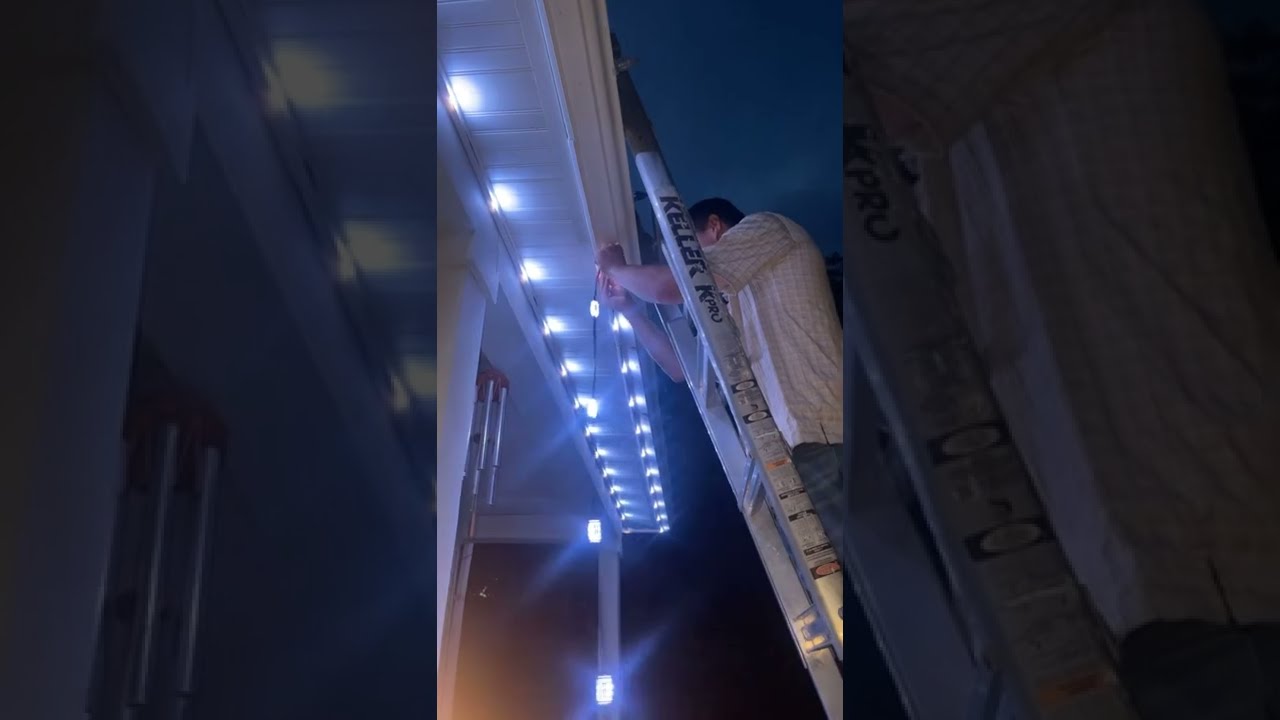

Neighborhood context matters too. In some locations, bold vacation screens become part of the neighborhood culture, and a programmable roofline fits right in. In quieter areas, a refined appearance has even more endurance. The most effective irreversible systems let homeowners join the joyful side when they intend to, then return your house to something made up and elegant the remainder of the year.
I remember one homeowner that initially desired every roofing side, dormer, and rear line lit because he had seen an on-line video filled with dramatic effects. After a short mockup, he changed instructions totally. We focused on the primary front roofline, the deck return, and the garage framing. https://fixedluminaires003.opalvector.com/posts/traditional-cozy-soft-lights-the-timeless-try-to-find-permanent-led-illumination-installment Then we established a daily scene with cozy white at low result. The result made the home look much more pricey, not more enhanced. A month later he claimed the shock was how typically they used the lights outside the vacations. His family liked pulling into a gently lit house every evening. That kind of comment turns up often.
Maintenance is light, not nonexistent
One marketing point of Permanent Vacation Lighting is minimized maintenance, which is primarily real. Yet "permanent" does not suggest "never requires attention." Exterior systems stay in extreme problems. Components age. Apps update. Trees grow into sightlines. Rain gutter job or roofing replacement might require short-term coordination.
The excellent information is that routine upkeep is normally small if the initial installation was solid. Many home owners mostly need to examine that timetables still align with seasonal sunset adjustments, validate the application stays linked after network updates, and periodically tidy visible dirt or debris from obtainable elements if buildup influences appearance.
A few sensible behaviors assist extend the life of the system:
- Keep tree branches from massaging against tracks or wiring. Test vital scenes a few weeks prior to major holidays. Notify roofing contractors, painters, and seamless gutter staffs that lights is installed. Save app qualifications and scene settings someplace secure. Ask the installer just how solution calls are handled before you require one.
That is about as requiring as it gets for a lot of homes. Compared to the annual ritual of hanging and eliminating temporary hairs, the difference is significant.
Energy usage and running costs
Homeowners frequently presume a huge permanent lighting system must eat a noticeable quantity of power every night. In technique, LED performance maintains costs fairly modest, particularly when the system is gone for lower brightness for routine usage. Actual energy consumption relies on the number of nodes, brightness level, shade choice, control design, and nightly routine, but several homes can operate a daily warm white scene for much less than people expect.
Colorful computer animated scenes, complete brightness vacation screens, and all-night operation will elevate use, certainly. So will certainly wrapping every elevation of a large home. Still, contemporary LED systems continue to be much more efficient than older incandescent vacation lights. The larger cost chauffeur is often installment, not monthly electricity.
This is an additional reason subtle illumination is so enticing. A restrained, cozy, dimmed setting not just looks better on many homes, it typically uses less power as well. Good style and effectiveness often aim in the very same direction.
When long-term lights is not the right move
For all their advantages, long-term systems are not generally right. If a homeowner enjoys transforming decoration styles every season and enjoys the routine of setting up specialized decoration by hand, long-term roofline illumination may not change that experience. If the house schedules for significant exterior restorations, roofing replacement, or fascia repair work in the future, it might be smarter to wait and integrate the illumination afterward. If the home's design supplies couple of tidy placing possibilities and the installer can not hide the system effectively, the daytime look may not warrant the investment.
Budget is one more honest limiter. If the selection is between a well-done partial installation and a stretched, jeopardized full-house configuration, I would certainly usually select the partial. Begin with the front altitude where the visual effect is best. Increase later on if the system allows. A controlled very first phase typically looks far better than a vast project that goes beyond the budget and cuts corners on product high quality or workmanship.
The ideal outcomes really feel inevitable
That may sound like an odd standard for lights, yet it is the one I come back to. When a Long-term LED Lights Installation is done extremely well, it feels as though your house was always implied to look this way after dark. The components disappear. The illumination really feels measured. The cozy tone flatters materials as opposed to bleaching them. Holiday scenes come to be a choice, not the whole identification of the system.
That is why refined, magnificent lighting has actually come to be the benchmark. Home owners are not just acquiring lights. They are purchasing control over state of mind, presence, and curb charm, evening after evening, season after season. The strongest tasks appreciate the style, make up life, and prioritize Classic Cozy Soft Lights as long as festive shade. They make a home look even more welcoming on a regular evening, which is where a lot of life actually happens.
If that is the goal, long-term illumination can be one of the most gratifying exterior upgrades a homeowner makes. Not since it is flashy, but since it silently enhances the means the home is seen and really felt, every time the sun goes down.